The brief
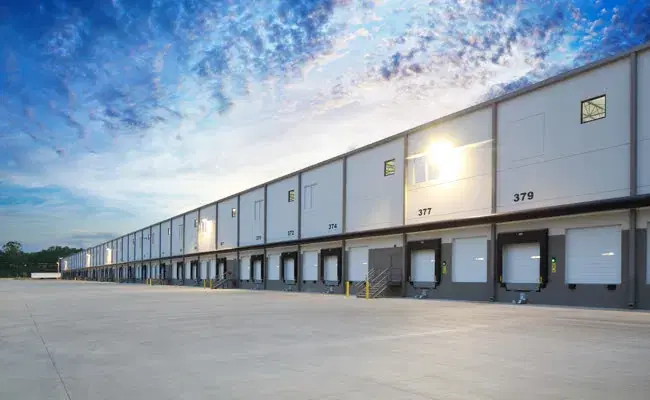
A 5 lakh sq ft Grade-A warehouse, ₹100 Cr in capex, designed to host a multi-tenant logistics operation with 35 dock doors and a 12 m clear height. The developer's commitment was a fully racked, fully operational facility on day one — not a partial handover that would force tenants to scale into the shed slowly.
Why it was risky
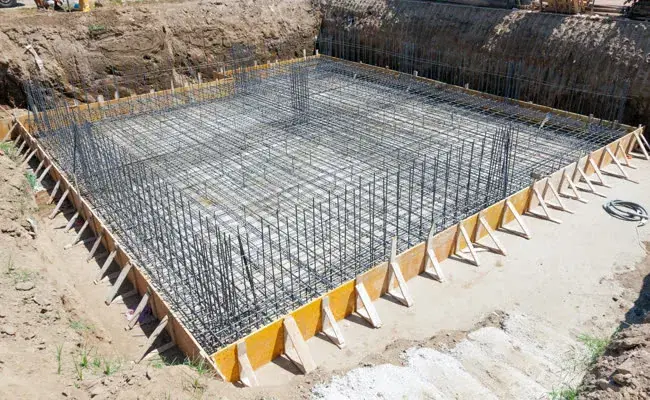
Warehouses look simple from the outside and behave nothing like simple buildings. The slab is a design problem, not a finish; the dock geometry has to match the trailers; the racking grid has to clear every sprinkler head and luminaire. Get any of it wrong and the consequence is permanent.
- Layout vs. loading mismatch: the racking layout proposed by the lead tenant required slab capacities that exceeded what the structural team had specified.
- Operational clashes: sprinklers, lights, and overhead cranes were each designed by separate consultants on separate co-ordinate systems.
- Traffic inefficiency: the truck yard had been laid out without simulating peak hour flows for the largest trailer the tenants intended to operate.
- Compliance gaps: the fire and EHS package was running behind the structural programme — typical for warehouse projects where the operational tenant arrives late.
What Kaël did
On a 5 lakh sq ft, ₹100 crore warehouse project, even a 10% loss in usable storage or a three-month delay in operations can have a significant revenue impact. Kaël validates floor loading, racking, circulation, and fire safety before execution, helping projects start operations on time and at full capacity, with roughly 30% of the conventional PMC staffing.
- Load validation matched the racking layout against the published slab capacity floor by floor; aisles that would be overloaded under peak racking were redesigned before any concrete was poured.
- Integrated clash checks brought sprinklers, lighting, racks, and cranes into one coordination model — every clash carried a remediation owner and date.
- Traffic analysis simulated the turning paths of the worst-case trailer combinations and reflowed the apron geometry to absorb peak flow.
- Fire and EHS compliance documentation was assembled in parallel with structure, so insurance and statutory clearances landed on the critical path date.
Outcome
The warehouse opened at full racked capacity on the contracted go-live date — no aisle rework, no slab grinding, no civil modifications to the truck yard. The PMC team running the project did so at roughly 30% of the staffing a conventional engagement would have required.