The brief
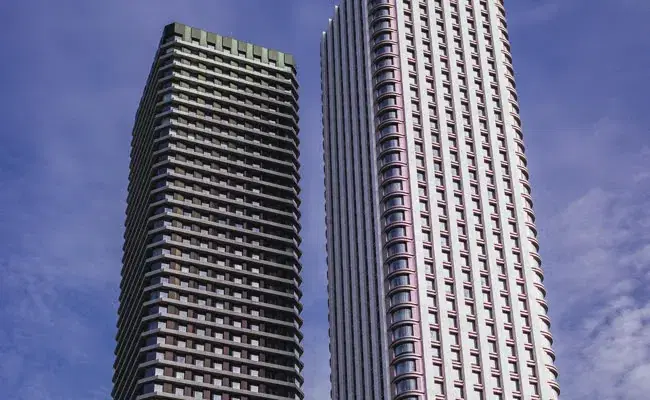
Two B+G+25 luxury residential towers, ₹180 Cr in capex, 6 lakh sq ft of saleable area split evenly across the two structures. The developer's promise was a rigid handover date — and the financial model assumed that anything caught after structure would be priced as a change order.
Why it was risky
Residential luxury sits on the most unforgiving margin of any asset class: buyers measure carpet area to the centimetre, and any post-structural change to core or services compounds across every floor.
- NBC non-compliance in core, stair, lift, and refuge layouts is the canonical late surprise. It typically arrives during occupation certificate review and forces post-structural redesign.
- Services mis-coordination between architectural and MEP packages creates wet-area conflicts that don't surface until plumbing first-fix.
- BOQ omissions for builder's works (MEP penetrations, façade backing) are absorbed as change orders at vendor-favourable rates.
- Area mismatches of even 1–2% between RERA carpet, structural drawings, and marketing collateral land in court.
What Kaël did
- Ran NBC and core compliance continuously against the latest GFC drawings, holding the structural team to the regulation envelope rather than letting late approvals catch the mistake.
- Detected micro-clashes between MEP risers, slabs, and beams in wet areas, weeks ahead of plumbing first-fix.
- Cross-checked BOQ versus design intent so the contractor's commercial team couldn't claim scope gaps that should have been costed at tender.
- Flagged area drift at the drawing stage — every 1% of carpet variance was reported with the financial impact calculated at sale price.
Outcome
The 4–6 month handover delay risk priced into the schedule was closed before foundation work was complete. ₹9–14 Cr of cost overrun (5–8% of total project cost) — the band the developer had reserved for late surprises — was returned to the contingency line.